Product information "OXYBERG® 700 Oxygen Generator "
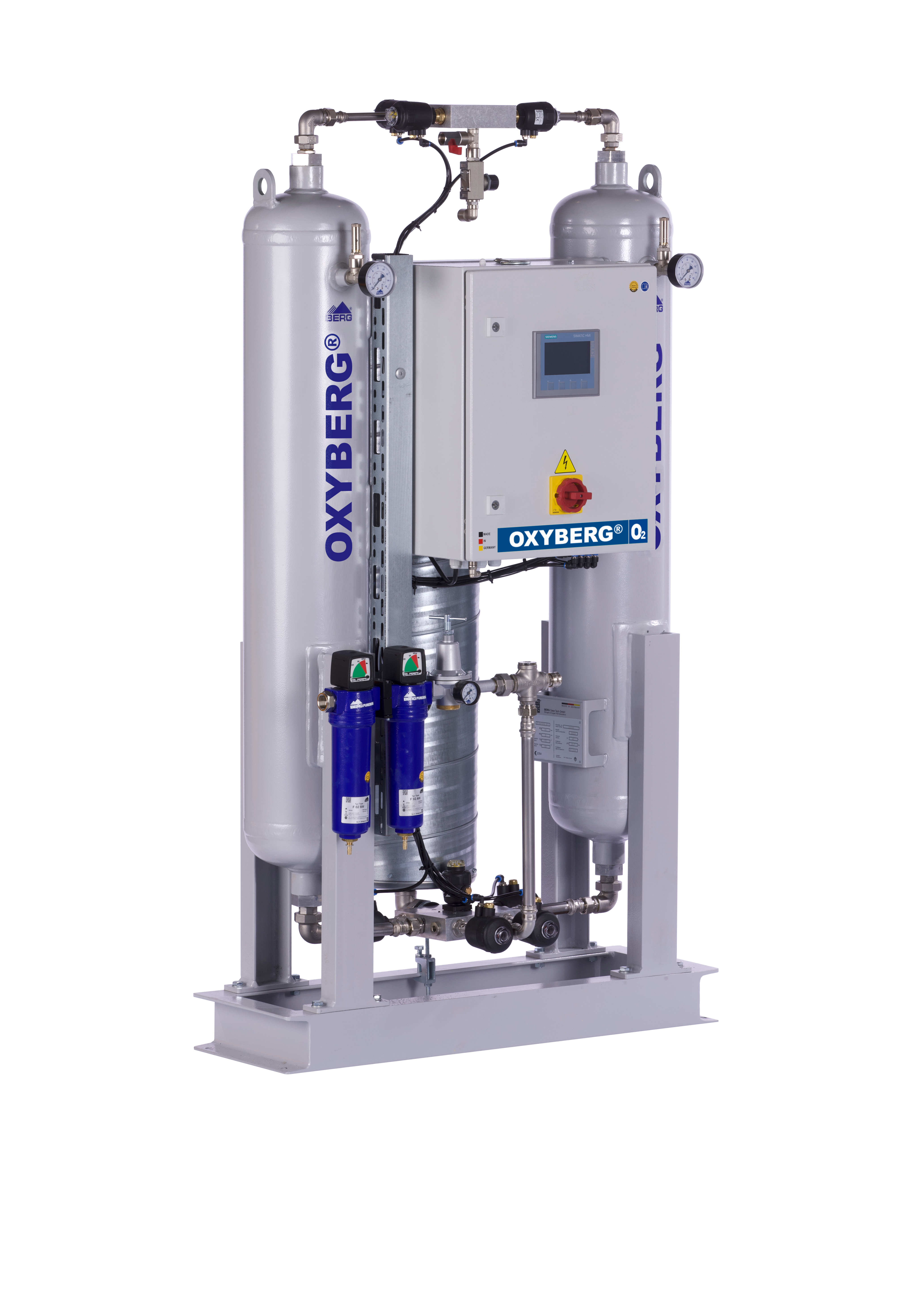
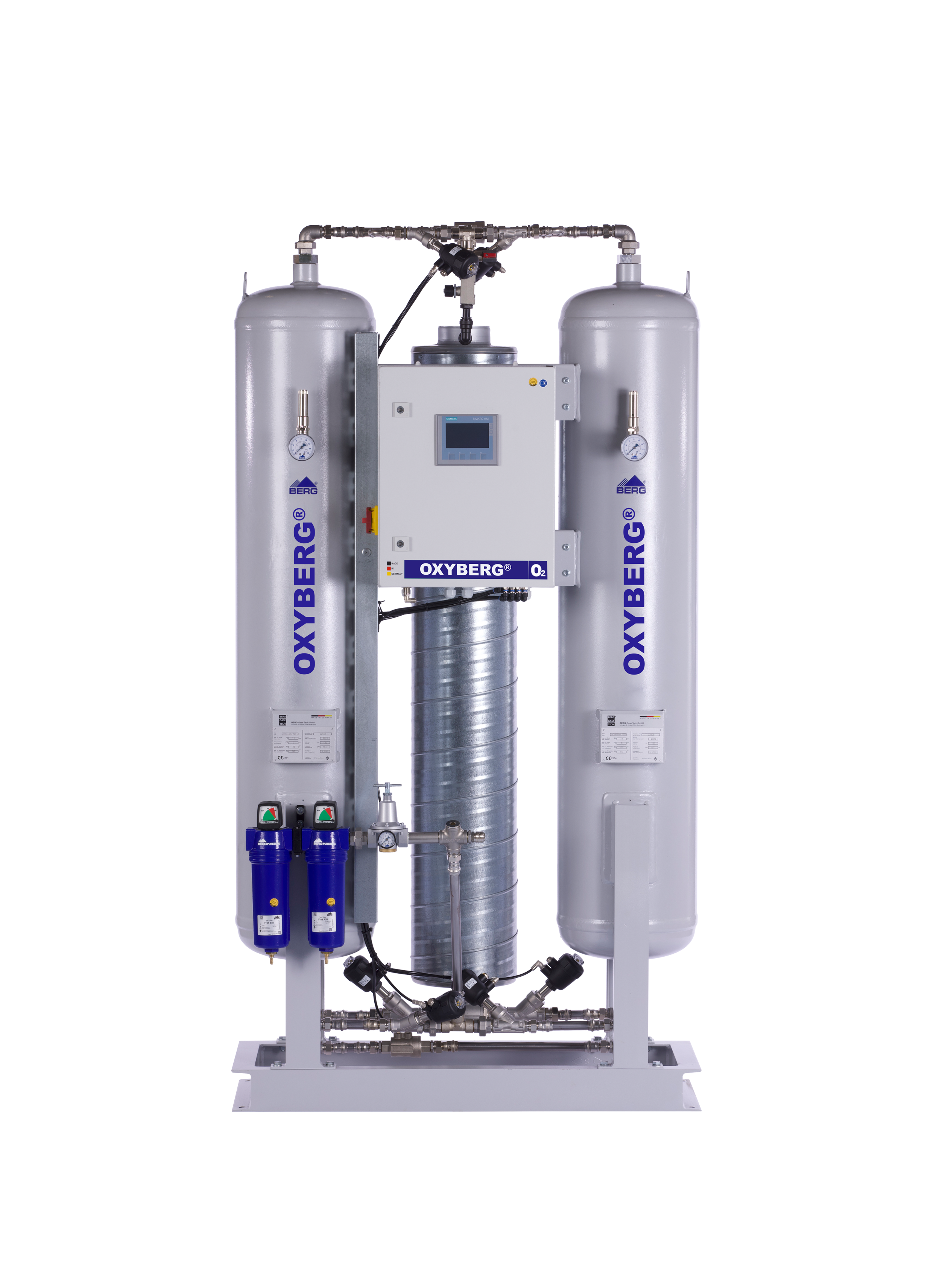
Oxygen Generator OXYBERG® 700
| Purity | 90% | 93% | 94% | 95% |
| O2 Nm3/h | 4.9 | 4.2 | 3.9 | 3.8 |
| Comp. air Nm3/h | 53.9 | 46.2 | 42.9 | 41.8 |
BERG Oxygen Generator OXYBERG 700 – An Effective Solution for Hydrogen Sulphide Removal
The BERG OXYBERG 700 Oxygen Generator is the ideal choice for removing hydrogen sulphide (H₂S) from anaerobic digesters. With its high efficiency and reliability, it provides continuous oxygen supply, supporting the desulfurisation process in biogas plants and other industrial applications.
Many renowned companies worldwide trust BERG solutions for onsite oxygen production right where they need it.
Is it possible to remove hydrogen sulphide from an anaerobic digester using the onsite OXYBERG® oxygen generator?
Yes, you can remove hydrogen sulphide from anaerobic digesters using onsite industrial oxygen generators. This is a common result of anaerobic digestion, which can lead to issues like corrosion, foul odours, and damage.
By adding just the right amount of oxygen using the generator, the hydrogen sulphide can be transformed into a safer substance. This process, known as biological desulfurisation, reduces hydrogen sulphide levels in the digester, minimising its harmful effects.
To effectively remove hydrogen sulphide using OXYBERG® O2 generators, follow these steps:
- Integrate oxygen injection: Install the PSA oxygen generator in the anaerobic digester system to introduce oxygen into the environment where hydrogen sulphide is present.
- Controlled oxygen levels: Adjust the oxygen levels from the generator carefully. Ensure there is enough oxygen to convert hydrogen sulphide into a safer substance, but not so much that it disrupts the digestion process.
- Monitor hydrogen sulphide levels: Regularly monitor the hydrogen sulphide levels in the digester to track oxygen injection.
- Optimise operation: Adjust the operation of the oxygen compressor using monitoring data to improve the removal of hydrogen sulphide, while ensuring the digester’s overall performance remains optimal.
- Maintenance and safety: Ensure the oxygen production machine is properly maintained and safely operated to avoid issues during the hydrogen sulphide removal process. By using our oxygen units to remove hydrogen sulphide from anaerobic digesters, you can improve digester performance, reduce environmental impact, and enhance overall operational efficiency.
How can removing hydrogen sulphide from anaerobic digestion using the onsite BERG oxygen production plant benefit the environment?
Removing hydrogen sulphide from anaerobic digestion using OXYBERG® onsite can offer several environmental benefits:
- Reduced odour: Hydrogen sulphide is responsible for the foul odours associated with anaerobic digesters. By effectively removing it through oxidation with oxygen, unpleasant odour generation can be minimised, improving local air quality and reducing nuisance to nearby communities.
- Corrosion prevention: Hydrogen sulphide can cause corrosion of equipment and infrastructure in anaerobic digesters. By reducing its levels with the help of oxygen generators, the risk of corrosion-related damage is decreased, prolonging the lifespan of digester components and reducing maintenance costs.
- Mitigation of toxicity: Hydrogen sulphide is toxic to humans and animals at high concentrations. By removing it from anaerobic digesters, the potential health risks associated with exposure to this gas are reduced, creating a safer working environment for operators and preventing harm to surrounding ecosystems.
- Improved digestion efficiency: Excessive levels of hydrogen sulphide can inhibit the activity of microorganisms involved in anaerobic digestion, leading to process inefficiencies and reduced biogas production. By controlling its levels through oxygen injection, the overall performance and efficiency of the digestion process can be enhanced, resulting in higher biogas yields and better waste treatment.
- Enhanced sustainability: By using onsite PSA oxygen plants to remove hydrogen sulphide from anaerobic digesters, the waste treatment process becomes more environmentally friendly. This leads to reduced harm to nature, smoother operations, and increased renewable energy production.
Benefits of using BERG Kompressoren’s onsite oxygen compressor:
- Helps clean anaerobic digesters
- Reduces odours
- Prevents corrosion
- Reduces health risks
- Enhances digestion
- Makes waste treatment more eco-friendly
For smaller capacities, the OXYBERG 600 Oxygen Generator offers a compact and efficient alternative. For higher performance requirements, the OXYBERG 800 Oxygen Generator is recommended for larger industrial applications. Explore the entire range of oxygen generators for various applications.
| Oxygen Generator | OXYBERG® 700 |
| Part No. | 1020100700 |
| Capacity (95%) | 3.8 Nm3/h |
| Capacity (93%) | 4.2 Nm3/h |
| Dimensions | 650 x 950 x 2020 LxWxH (mm) |
| Design pressure | 11 bar |
| Operating pressure | 7 bar |
| Net weight | 320 kg |
| Noise level | 55 max 85 dB (A) |
| Ambient temperature | +5 to +40 °C |
| Electrical connection | 230V 50Hz 110V 60 Hz |
| Power consumption | 150 W |
| Safety class | 54 IP |
| Inlet Filtration ** | 0.01 micron |
| Inlet filtration ** (Active carbon filter) | 0.003 micron |
| Outlet Filtration ** | 3 to 5 micron |
| Temperature * | 25 ° C |
| Above Sea Level * | 0 m |
| Pressure * | 1.0133 bar |
| Humidity * | 70% |
| * Consult us for performance under other specific conditions ** Optional |
|
Accessories
All articles in this group