Product information "OXYBERG® 500 Oxygen Generator "
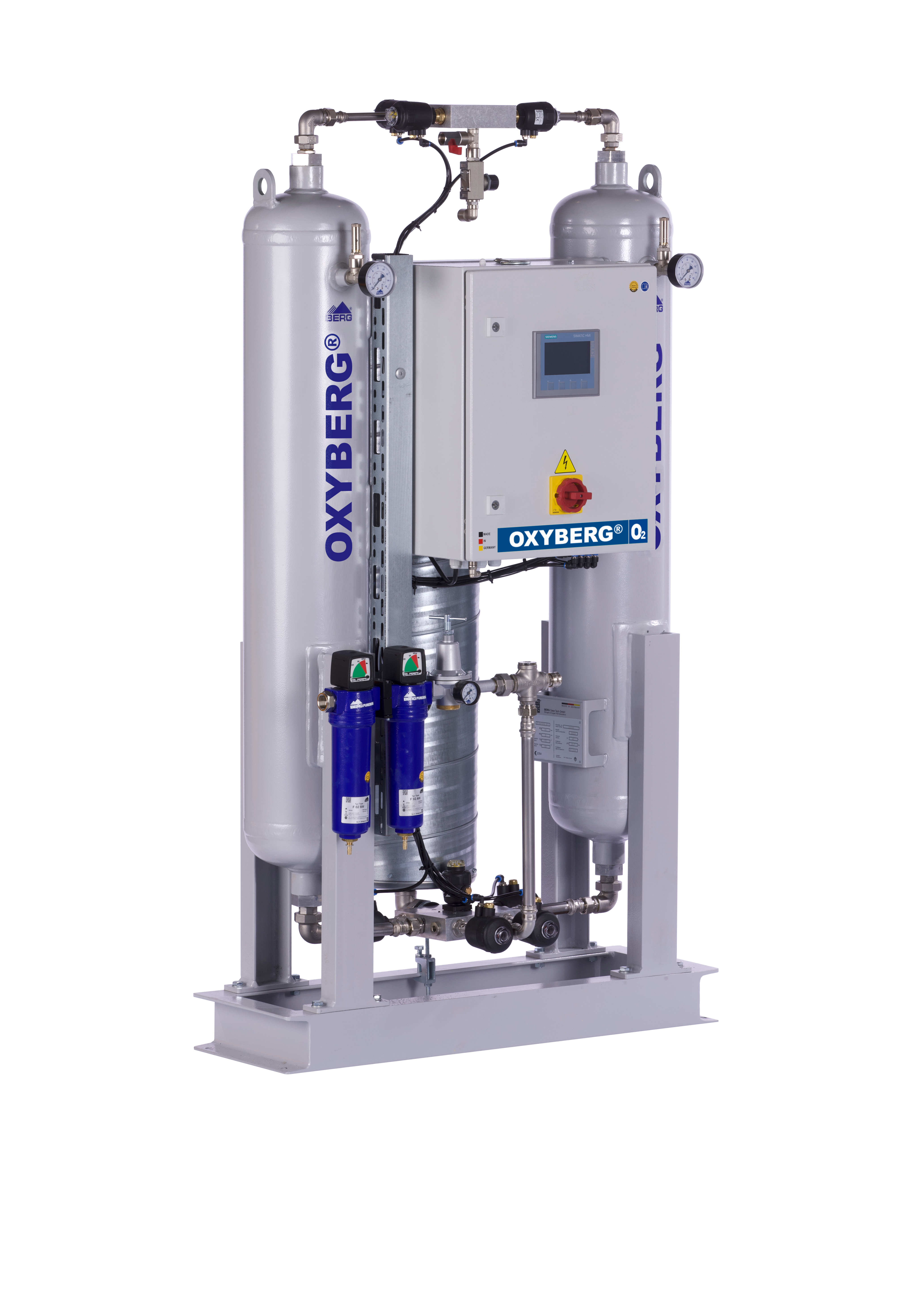
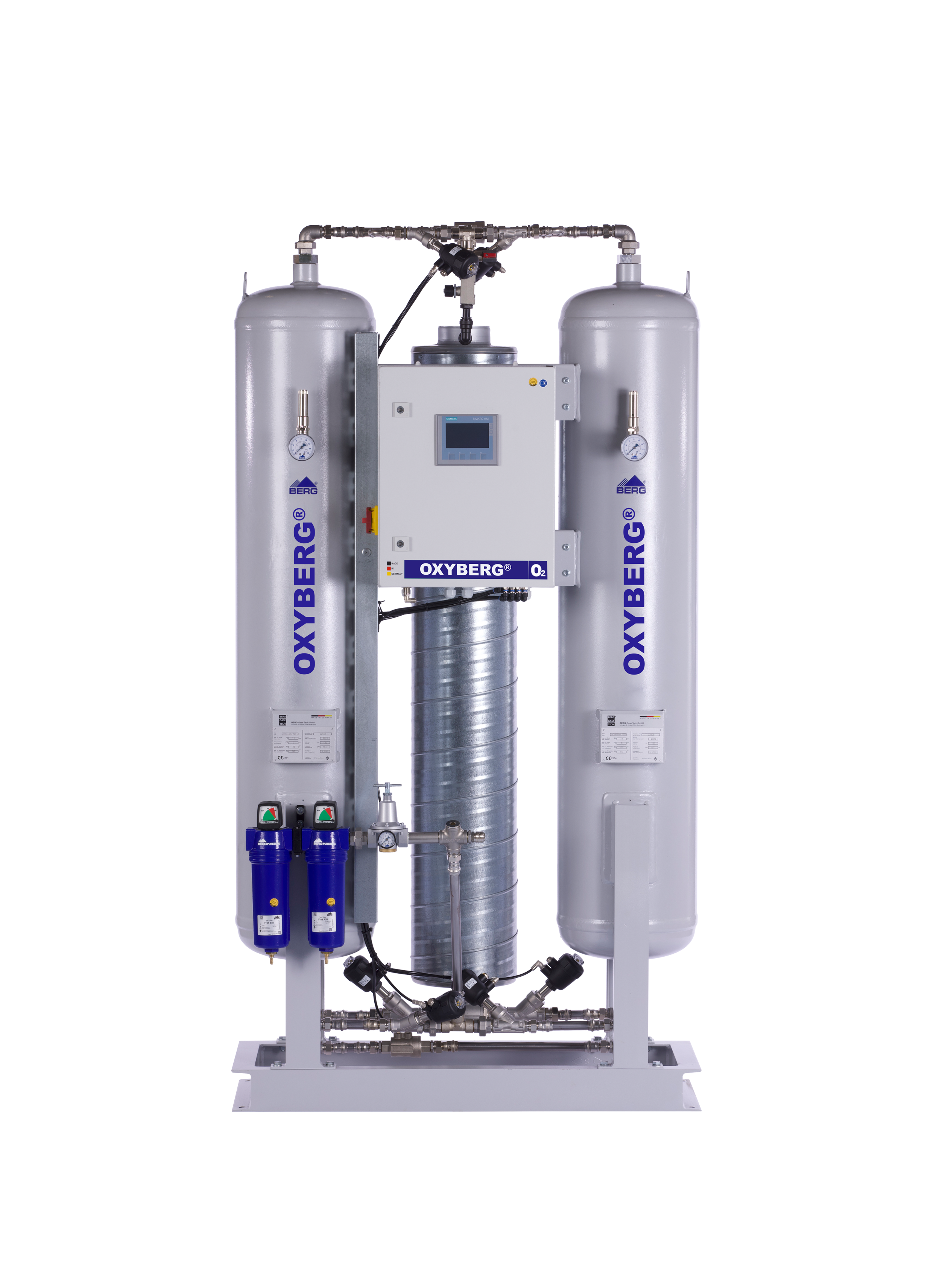
Oxygen Generator OXYBERG® 500
| Purity | 90% | 93% | 94% | 95% |
| O2 Nm3/h | 2.9 | 2.1 | 1.9 | 1.8 |
| Comp. air Nm3/h | 31.9 | 23.1 | 20.9 | 19.8 |
BERG Oxygen Compressors are Used in the Production of Biogas and Biomethane
To effectively use industrial oxygen generators in the production of biogas and biomethane, follow these steps:
- Add a BERG oxygen concentrator to the anaerobic digestion system, where microorganisms break down organic matter to produce biogas. Ensure that the generator is properly connected and functioning correctly.
- Adjust the oxygen levels: Determine the optimal oxygen levels required for the anaerobic digestion process. With the oxygen generator, you can easily control the oxygen levels. Adjust the settings to introduce the perfect amount of oxygen into the system.
- Monitor performance: Regularly monitor the performance of the anaerobic digestion process with the oxygen generator installed. Track gas production rates, methane content, digestion efficiency, and any changes in by-product formation.
- Optimise operation: Fine-tune the operation of the PSA oxygen generator based on the performance data collected. Adjust the oxygen levels, flow rates, and other factors to improve the efficiency of biogas and biomethane production. Changing the oxygen levels, flow rates, and other variables can help the production process run more efficiently. By adjusting these variables, you can improve the efficiency of biogas and biomethane production.
- Remember to maintain and troubleshoot the oxygen system. This will help prevent issues or breakdowns. Address any problems promptly to ensure smooth system operation.
Proper use of the PSA oxygen plant during anaerobic digestion can increase biogas and biomethane production. Additionally, it can make the process more efficient and help generate energy in a sustainable and environmentally friendly manner.
Function of Oxygen Production Plants for Biogas Production
Oxygen production plants are essential for the production of biogas and biomethane. They supply high-purity oxygen for the biological processes involved in these productions.
Our oxygen generators can enhance anaerobic digestion. In this process, microorganisms break down organic material without oxygen, resulting in biogas production. Using oxygen concentrator generators can optimise the anaerobic digestion process, leading to higher biogas and biomethane production. This not only increases process efficiency but also helps reduce greenhouse gas emissions.
The high-purity oxygen provided by O2 generators ensures that the microorganisms involved in the digestion process have ideal conditions to thrive and effectively produce biogas. Overall, incorporating BERG oxygen generators into biogas production systems can result in a more sustainable and environmentally friendly way of generating energy.
Our oxygen generators can help prevent the formation of harmful substances like hydrogen sulphide and volatile organic compounds. This makes the production process cleaner and more efficient.
Our PSA oxygen plant is essential for improving the anaerobic digestion process for biogas and biomethane production. This helps make renewable energy sources more efficient and sustainable.
In-situ Biogas Processing:
An important application of oxygen injection is to increase the methane concentration (CH₄) in biogas by converting carbon dioxide (CO₂) into additional methane. This process is part of power-to-gas technology:
Biological methanation (microbial catalysis): In this process, microorganisms called methanogens use hydrogen (produced by water electrolysis with excess renewable energy) and carbon dioxide in the presence of small amounts of oxygen to produce methane. This reaction can take place directly in the anaerobic digester or in a separate bioreactor.
Chemical reaction: The typical reactions facilitated by the addition of small amounts of oxygen and hydrogen are:
Here, carbon dioxide is reduced to methane, increasing the energy value of the biogas.
Injecting oxygen into a biogas plant to remove CO₂ directly by converting it into methane increases the overall methane yield of the process. This upgrading not only improves the quality of the biogas (increasing its calorific value) but also makes it comparable to natural gas standards, which is crucial for injection into gas grids or for use as vehicle fuel.
It is essential to carefully control oxygen levels, as excessive oxygen can disrupt the anaerobic processes and pose safety risks due to the flammability of methane. Therefore, control systems and oxygen mobile sensors are crucial to ensure optimal oxygen dosing in biogas plants.
For an overview, here are more oxygen generators with additional capacities. The BERG team is happy to assist you in finding the right O2 generator.
| Oxygen Generator | OXYBERG® 500 |
| Part No. | 1020100500 |
| Capacity (95%) | 1.8 Nm3/h |
| Capacity (93%) | 2.1 Nm3/h |
| Dimensions | 630 x 930 x 1600 LxWxH (mm) |
| Design pressure | 11 bar |
| Operating pressure | 7 bar |
| Net weight | 160 kg |
| Noise level | 55 max 85 dB (A) |
| Ambient temperature | +5 to +40 °C |
| Electrical connection | 230V 50Hz 110V 60 Hz |
| Power consumption | 150 W |
| Safety class | 54 IP |
| Inlet Filtration ** | 0.01 micron |
| Inlet filtration ** (Active carbon filter) | 0.003 micron |
| Outlet Filtration ** | 3 to 5 micron |
| Temperature * | 25 ° C |
| Above Sea Level * | 0 m |
| Pressure * | 1.0133 bar |
| Humidity * | 70% |
| * Consult us for performance under other specific conditions ** Optional |
|
Accessories
All articles in this group